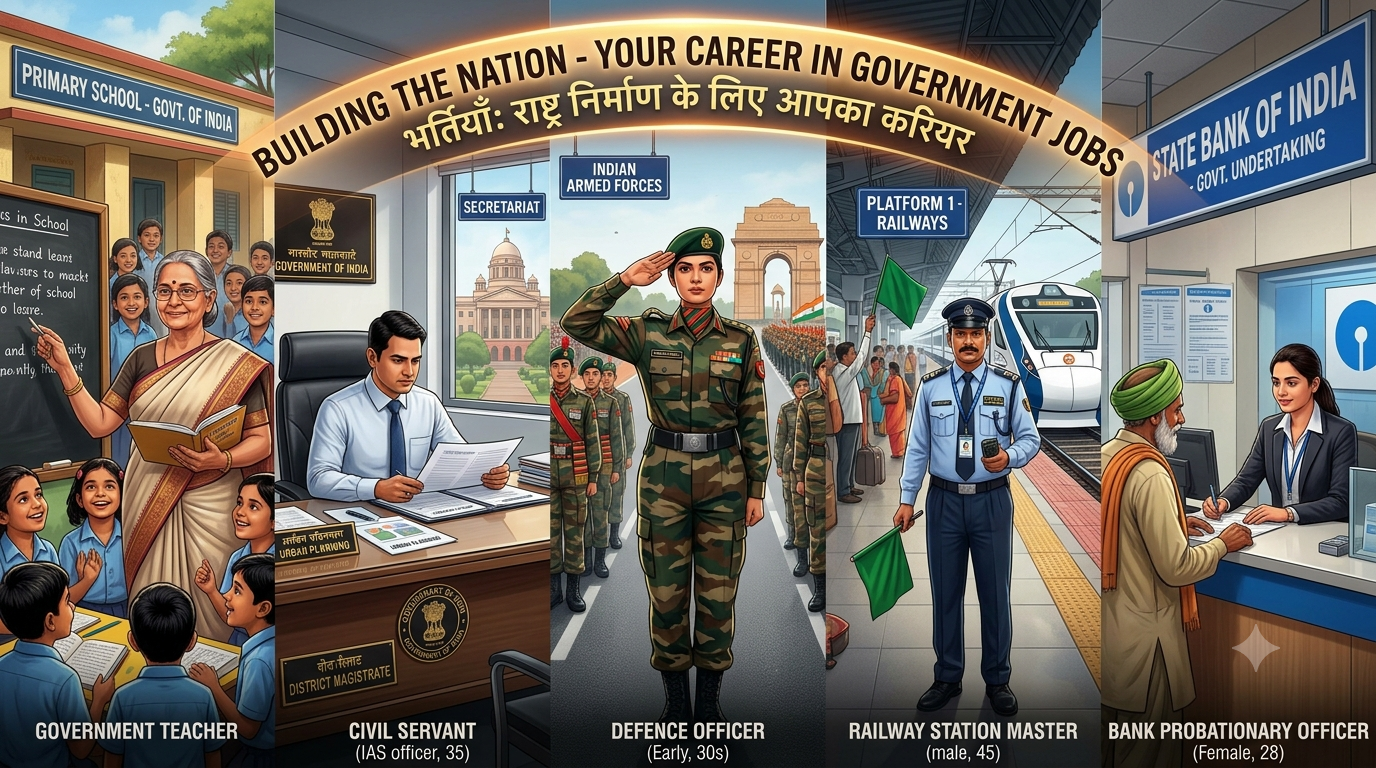
The year 2026 is shaping up to be a landmark period for aspirants seeking a career in the public sector. With a mission-mode approach to filling vacancies, various central and state government departments have released notifications for thousands of positions across the country. The Union Public Service Commission alone has announced 48 Group A and Group B vacancies across multiple central government ministries, including the Ministry of Agriculture, Ministry of Health, Ministry of Home Affairs, and Ministry of Law and Justice .
Beyond the prestigious civil services, opportunities abound in public sector undertakings, banking, defense, research organizations, and state government departments. This comprehensive guide provides an overview of the latest Government Jobs landscape, salary structures, application procedures, and frequently asked questions.
Why Choose Government Jobs?
Government Jobs in India offer a unique combination of security, prestige, and benefits that is unmatched by most private sector roles. Whether it is a high-profile UPSC position or a support staff role in a state department, these jobs provide stable employment and a clear career growth trajectory. This is why millions of candidates apply for Sarkari Naukri every year.
A major strength of the public sector is its diversity. Vacancies span a wide range of educational qualifications, from 10th-pass and ITI diploma holders for various support positions to postgraduate degree holders for academic and scientific roles . The extensive scope of opportunities ensures that candidates from various backgrounds can find their place in the government machinery.
Job Security and Stability
One of the most compelling reasons to pursue Government Jobs is the unparalleled job security. Unlike the private sector, where layoffs and market volatility can impact careers, government employees enjoy near-permanent employment . This stability allows for long-term career planning and financial security. The risk of layoffs in government positions is extremely low, and career continuity is virtually guaranteed . For many aspirants, this security outweighs the potentially higher starting salaries offered in some private sector roles.
Prestige and Social Status
Sarkari Naukri carries significant social prestige in India. Positions like IAS, IPS, and IFS are among the most respected in the country . IAS officers play a crucial role in policy implementation, maintaining law and order, and overseeing various administrative functions . IPS officers maintain law and order, prevent crime, and ensure public safety, working in capacities ranging from police commissioners to intelligence agencies .
IFS officers represent India abroad, working on international relations, trade agreements, and diplomacy, playing a crucial role in enhancing India’s global presence . This social status, combined with the authority and responsibility that comes with these roles, makes government careers highly aspirational.
Comprehensive Benefits and Perks
Beyond the basic salary, Government Jobs offer a comprehensive package of benefits that add substantial value to the overall compensation . These include:
- Housing: Government accommodation is provided in many postings, particularly for officers .
- Medical Benefits: Full family medical coverage is a standard benefit .
- Pension: Defined benefit pension (for pre-NPS employees) or NPS contributions provide retirement security .
- Allowances: Dearness Allowance (DA), House Rent Allowance (HRA), and Travel Allowance (TA) augment monthly income .
- Loan Rates: Government employees often receive preferential rates on loans .
- Leave Benefits: Generous leave policies, including study leave abroad for IPS officers .
Types of Government Jobs and Salary Structure
Indian Civil Services
Jobs through the Union Public Service Commission remain the gold standard in government careers . Officers like IAS, IPS, IFS, and IRS hold key administrative and policy roles .
The IAS salary structure under the 7th Pay Commission outlines a clear, rule-based progression from Level 10 to Level 18 . An IAS officer begins in Level 10, with a basic pay of ₹56,100, rising with annual increments and promotions through clearly defined pay levels . Add Dearness Allowance, House Rent Allowance, and Travel Allowance, and the monthly pay becomes respectable . The top salary can reach ₹2.5 lakh+ at the Cabinet Secretary level .
| Civil Service | Starting Salary (approx.) | Top Salary (approx.) | Key Role |
|---|---|---|---|
| IAS (Indian Administrative Service) | ₹56,100 | ₹2.5 lakh+ | Administration, policy implementation |
| IPS (Indian Police Service) | ₹56,100 | ₹2.5 lakh+ | Law enforcement, public safety |
| IFS (Indian Foreign Service) | ₹56,100 | ₹2.5 lakh+ | Diplomacy, international relations |
| IRS (Indian Revenue Service) | ₹56,100 | ₹2.5 lakh+ | Tax collection, financial regulation |
Public Sector Undertakings (PSUs)
Public Sector Undertakings like ONGC, NTPC, and BHEL offer private-sector-level pay with government stability . Jobs in PSUs are particularly attractive for engineers, managers, and technical professionals . The pay range is typically ₹60,000 to ₹1.8 lakh per month, with additional perks like performance bonuses, housing, and medical cover . PSUs provide several benefits, including bonuses, retirement benefits, and health insurance .
Reserve Bank of India (RBI)
Jobs at the Reserve Bank of India, especially Grade B Officers, offer some of the best compensation in the public sector . The monthly salary is approximately ₹67,000–₹1.2 lakh+, with key perks including housing, education allowance, and medical benefits . The work involves monetary policy, banking regulation, and financial stability .
Defence Services
A career in the Defence Services is ideal for those who are patriotic and adventurous . Officers in the Indian Army, Navy, and Air Force receive a starting salary of over ₹50,000, which increases significantly with rank and experience . Additional benefits include free rations and lodging, children’s education allowance, maintenance allowance, and a retirement pension . Defence personnel are responsible for safeguarding the country’s integrity and sovereignty, engaging in various operations, training, and strategic planning .
Research Organizations
India’s top scientists working at ISRO and DRDO enjoy high pay along with national recognition . The starting salary is ₹56,100, and senior roles can reach ₹1.7 lakh+ per month . The work involves space missions, defence technology, and national innovation . Scientists in DRDO (Group B) can earn between ₹56,100 to ₹1,77,500 per month .
Banking Sector Jobs
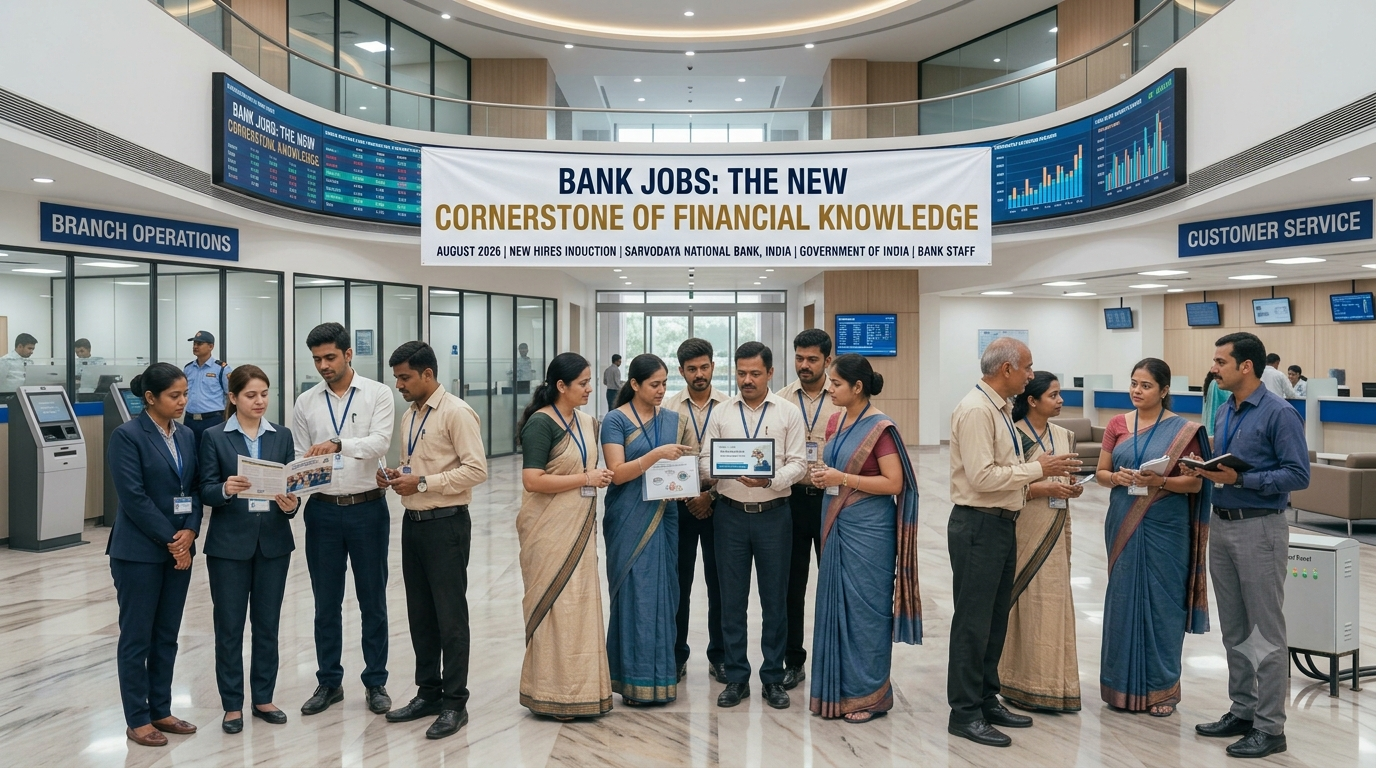
Government banks like SBI and IBPS offer positions such as Probationary Officers (PO) with salaries starting from ₹41,960 basic . Bank POs supervise employees, manage cash flow, and handle client complaints and inquiries . With experience, they can be promoted to bank managers, which comes with a salary increase . Banking professionals manage banking operations, customer service, loans, and investments, contributing to the financial health of the economy .
Current Major Government Job Recruitment Drives (2026)
The following table summarizes some of the most significant Government Job notifications currently active or recently announced.
| Recruiting Body | Post Name | Total Vacancies | Application Deadline | Key Eligibility | Application Link |
|---|---|---|---|---|---|
| UPSC | Group A & B (Specialist, Legal, Scientific) | 48 | July 31, 2026 | PG, MBBS, LLB, B.Sc | www.upsc.gov.in |
| Rajasthan Govt | Safai Karmchari | 24,752 | September 28, 2026 | 10th pass, 21-40 years | lsg.rajasthan.gov.in |
| IBPS | Clerk | 11,400+ | Varies | Graduate | ibps.in |
| ISRO (URSC) | Graduate/Diploma Apprentice | 410 | August 28, 2026 | B.E/B.Tech or Diploma | isro.gov.in |
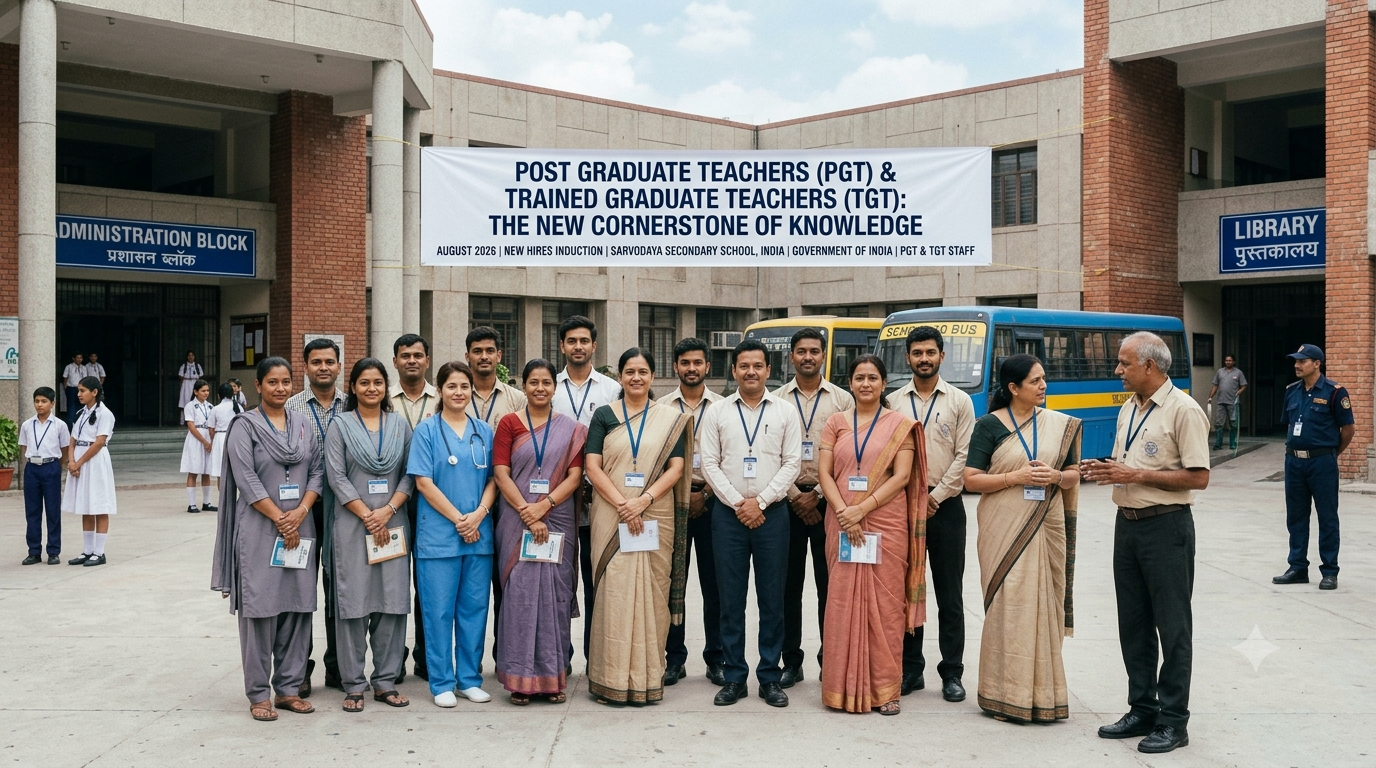
| DSSSB | TGT, Technical Assistant, etc. | 1,979 | July 15, 2026 | Graduate/Diploma (varies) | dsssb.delhi.gov.in |
| UPSSSC | Auditor, Assistant Accountant | 1,829 | August 3, 2026 | Graduate | upsssc.gov.in |
| North Central Railway | Apprentice | 1,853 | August 8, 2026 | 10th + ITI | rrcpryj.org |
| Telangana Police | Inspector | 7,437 | July 5, 2026 | Graduate | tslprb.in |
| BCAS | Group B & C | 65 | June 8, 2026 | Varies | bcasindia.gov.in |
| NIA | Scientific Posts | 30 | June 13, 2026 | PG in Science | nia.gov.in |
How to Apply for Government Jobs
Application Process & Official Verification
The application process for Sarkari Naukri has been completely digitized to ensure absolute operational transparency and rapid departmental onboarding. The Union Public Service Commission (UPSC) uses its Online Recruitment Application (ORA) portal, which features strict identity protocols . Candidates must strictly ensure they possess all required educational certificates, highly localized identity proofs, and highly active digital communication channels before initiating the process. You must always rigorously verify active recruitment notifications by directly accessing official .gov.in or .ac.in domains (such as upsc.gov.in, dsssb.delhi.gov.in, or isro.gov.in) to ensure authentic E-E-A-T signals.
Step-by-Step Application Process
- Official Verification: Directly access the official website of the recruiting body. For UPSC, this is
upsconline.nic.in. - Portal Registration: Create a unique registration ID. For UPSC, generating a Universal Registration Number (URN) is the first step.
- Form Submission: Carefully fill in your educational and personal details, upload scanned documents and proof of degrees/experience, and pay the prescribed application fee. For UPSC Advertisement No. 08/2026, the fee for General/OBC/EWS male candidates is ₹25, while women and SC/ST/PwBD candidates are exempted . The fee can be paid through multiple modes, including cash at any State Bank of India (SBI) branch, net banking, UPI, Visa, MasterCard, RuPay credit or debit cards, and internet banking .
- Timely Application: Ensure you submit the form well before the deadline to avoid last-minute technical issues. For the latest UPSC drive, the last date is July 31, 2026 .
Candidates can also strategically explore equivalent verified opportunities through reputable private job portals such as Naukri, Indeed, and LinkedIn to stay updated, though the primary application must be submitted on the official government website.
Frequently Asked Questions
1. What are the basic qualifications required for Government Jobs?
The qualifications vary significantly by post. For UPSC Group A and B positions, qualifications range from MBBS and Postgraduate degrees for medical professors to LLB for legal positions like Prosecutor and Master’s degrees in relevant sciences for roles such as Assistant Soil Chemist . For positions like Safai Karmchari, a 10th pass is sufficient. For banking roles, graduation is required.
2. How can I find authentic Government Job notifications?
You can find authentic Government Jobs notifications by directly accessing official .gov.in or .ac.in domains. The Government of India’s National Career Service (NCS) portal (www.ncs.gov.in) is also a one-stop digital platform providing information on government and private jobs .
3. What is the salary for IAS officers?
Under the 7th Pay Commission, an IAS officer begins in Level 10 with a basic pay of ₹56,100 . The top salary can reach ₹2.5 lakh+ at the Cabinet Secretary level .
4. What is the selection process for UPSC jobs?
The selection process is rigorous. While recruitment through UPSC can involve a written exam followed by an interview, the recent direct recruitment (Advertisement No. 08/2026) involves selection based purely on a Personal Interview .
5. What is the application fee for Government Jobs?
The fee varies. For UPSC Advertisement No. 08/2026, it’s ₹25 for General/OBC/EWS male candidates, while women and SC/ST/PwBD candidates are exempted . For other recruitments, the fee structure may differ.
6. What are the hidden financial benefits of government jobs?
Housing, medical, pension, and allowances add substantial value beyond the basic salary . These benefits include government accommodation, full family medical coverage, defined benefit pension (or NPS), and preferential loan rates .
7. How does the salary growth in Government Jobs compare to the private sector?
Growth in government jobs is structured, predictable, and governed by Pay Commission revisions (typically every 10 years) . Over a 25-35 year career, senior IAS officers can reach ₹35 to 55 LPA CTC, while PSU careers offer strong compensation with private-sector-level pay and government stability .
8. What is the maximum age limit for applying to Government Jobs?
The maximum age limit depends on the post. For the UPSC Advertisement No. 08/2026, it varies from 33 to 40 years . For Rajasthan Safai Karmchari, it is 40 years. Age relaxation is available for reserved categories as per government rules.
9. Are there Government Jobs for 10th/12th pass candidates?
Yes, many opportunities exist. The Rajasthan Safai Karmchari recruitment is open to candidates with a 10th pass. North Central Railway is hiring apprentices for candidates with a 10th pass and ITI certificate. Other state and central government departments also offer positions for 10th and 12th pass candidates.
10. What are the highest paying government jobs in India?
The highest paying government jobs include IAS, IPS, IFS, and IRS officers through UPSC Civil Services, with salaries ranging from ₹56,100 to ₹2,50,000 per month . PSU positions like ONGC, NTPC, and BHEL offer ₹60,000 to ₹1.8 lakh per month . RBI Grade B officers earn ₹67,000–₹1.2 lakh+ per month . Scientists in ISRO and DRDO also command high salaries .
Conclusion
Government Jobs in 2026 present a golden opportunity for millions of aspirants. The current recruitment cycle, featuring thousands of vacancies across various sectors, offers a path to stability, prestige, and comprehensive benefits. Whether you are an aspiring medical professor through UPSC, a clerical candidate for IBPS, a 10th-pass applicant seeking a position in the Rajasthan government, or an engineer aiming for a PSU, the public sector is a vast and welcoming domain.
To secure a Sarkari Naukri, it is crucial to act swiftly and accurately. Regularly check official websites like upsc.gov.in, isro.gov.in, and dsssb.delhi.gov.in for the latest notifications. Ensure you meet all eligibility criteria and submit your applications well before the deadlines. The future is bright for those who are diligent and prepared. Start your journey toward a rewarding career in public service today.
Disclaimer: This article is for informational purposes only. The application process is free of cost; beware of fraudulent recruiters. Always verify job postings through official channels and never share personal financial information with unauthorized parties.